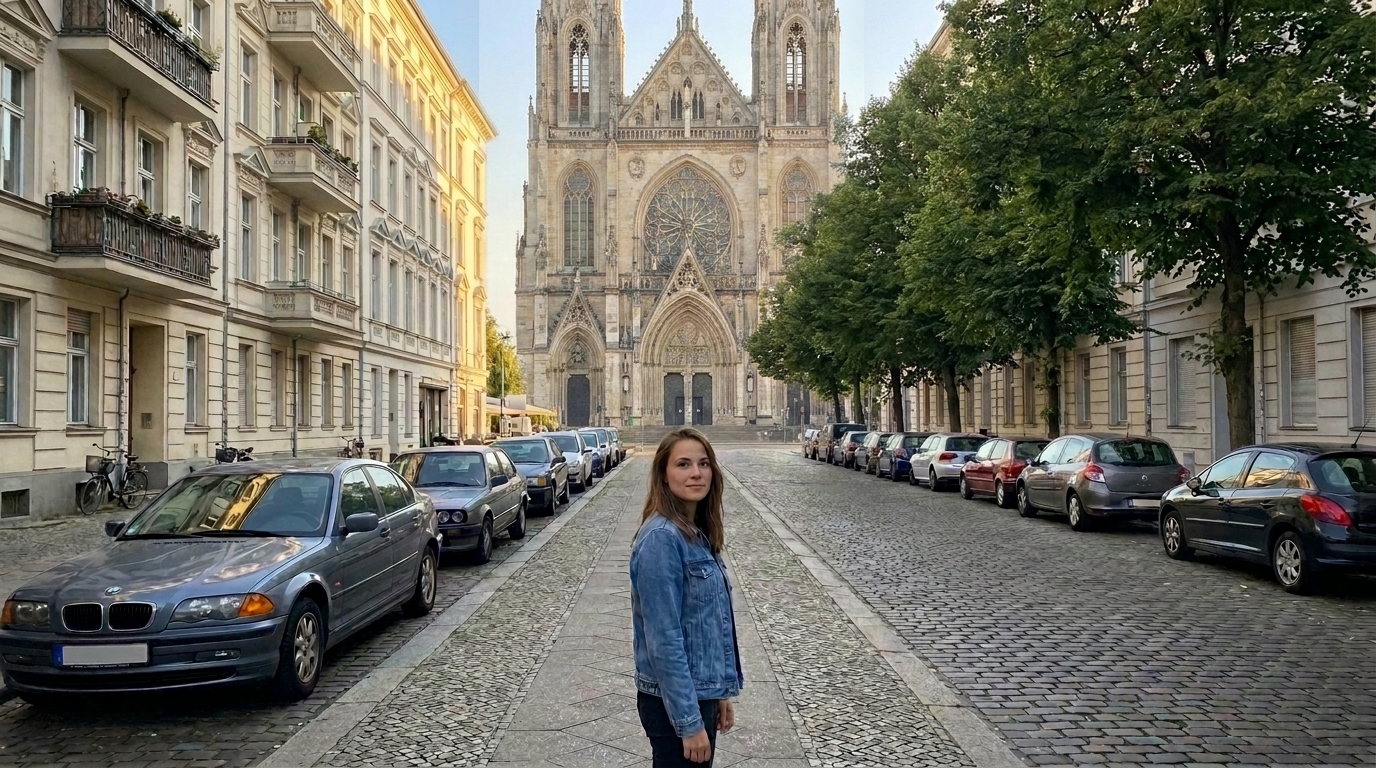
Current tools fix barrel distortion — the curved edges. We go deeper: we reconstruct how near and far objects actually relate to each other. The way your brain sees it, not your lens.
Sjón (Icelandic) — sight, vision. Sjón er sögu ríkari — seeing is believing.
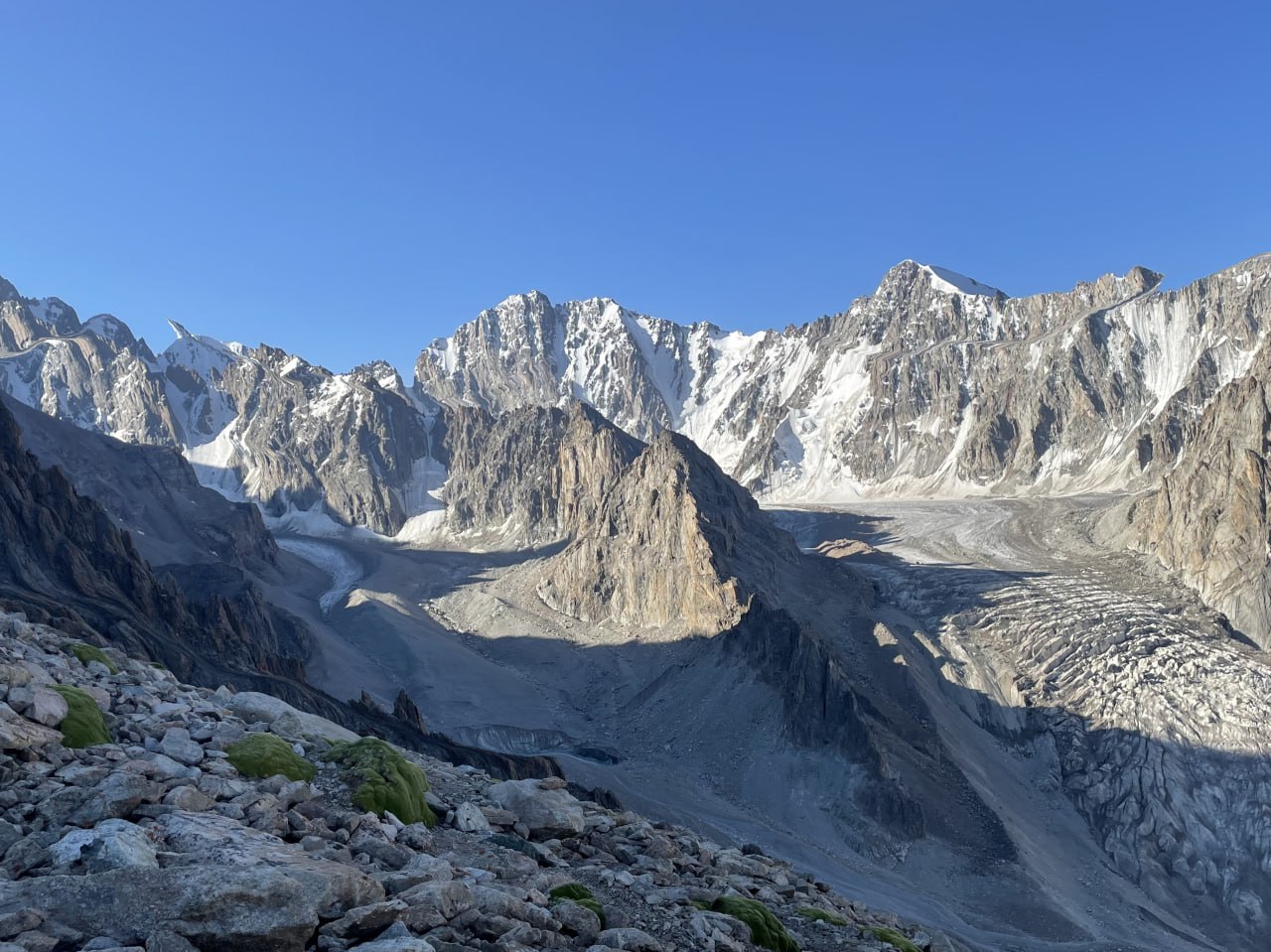
Lenses compress or stretch the distance between objects. Mountains shrink. Backgrounds flatten. People at the edges warp. Your eyes saw something magnificent — your camera recorded something mediocre. Current software fixes barrel distortion — the curved lines. Nobody fixes depth.
In cinema, there's a dolly zoom — the camera pulls back while the lens zooms in, creating that surreal depth shift. We start where dolly zoom ends: we reconstruct how human eyes actually perceive the scene.
Smartphone reality
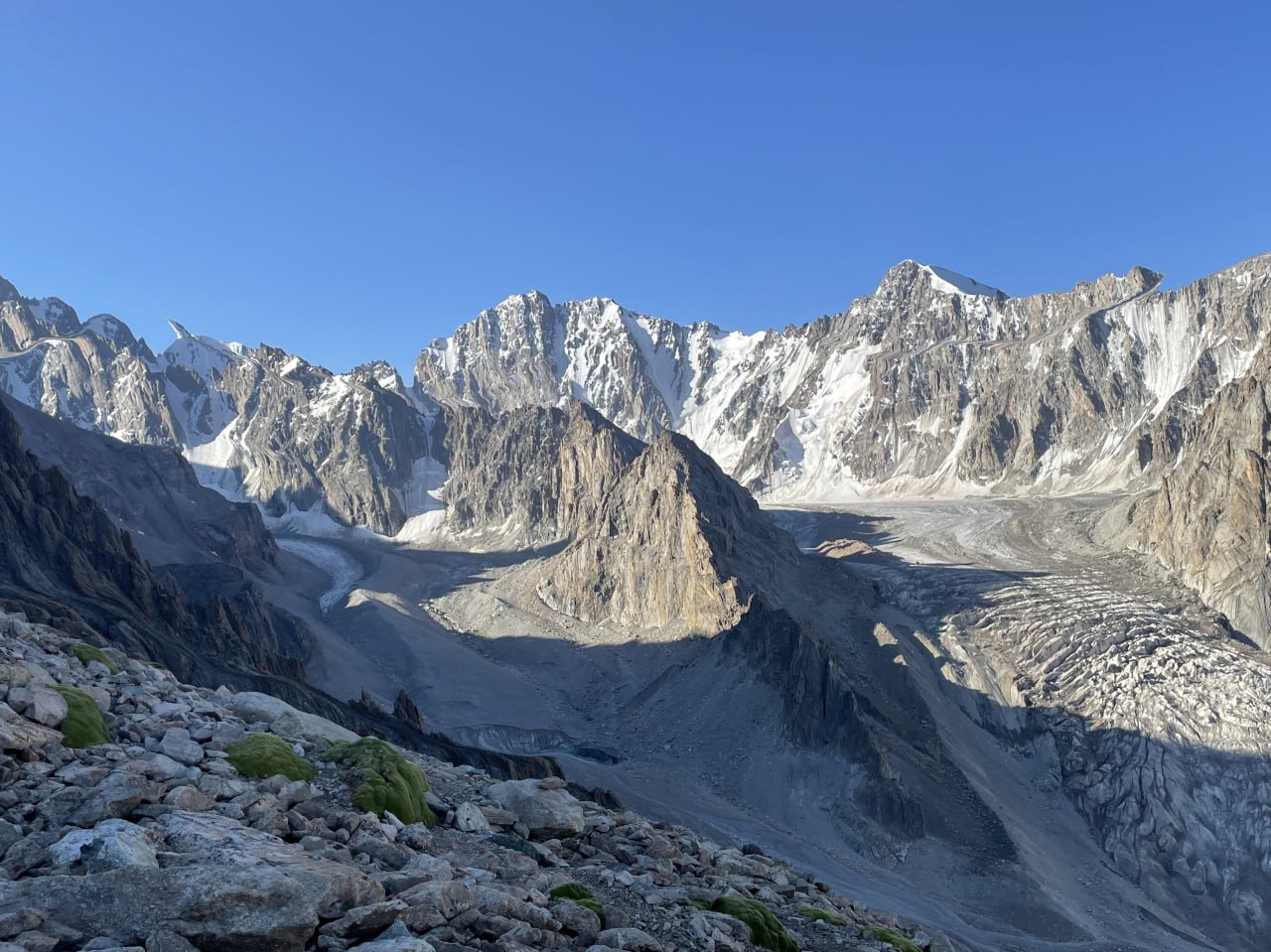
Human perceptionThe eye is an optical system. The clear perception zone of a stationary eye is approximately 40–60° diagonally. This is a specific physical constraint — the crystalline lens, the retina, the receptor density in the fovea. In photography, a lens with the same field of view is called "normal" — on a full-frame camera, that's ~50mm (~46° diagonal). A photograph taken at 50mm looks right — distances between objects at different depths are perceived naturally. This has been the standard for portrait and reportage photography for decades. When the angles match, depth proportions in the image match what our visual system perceives.
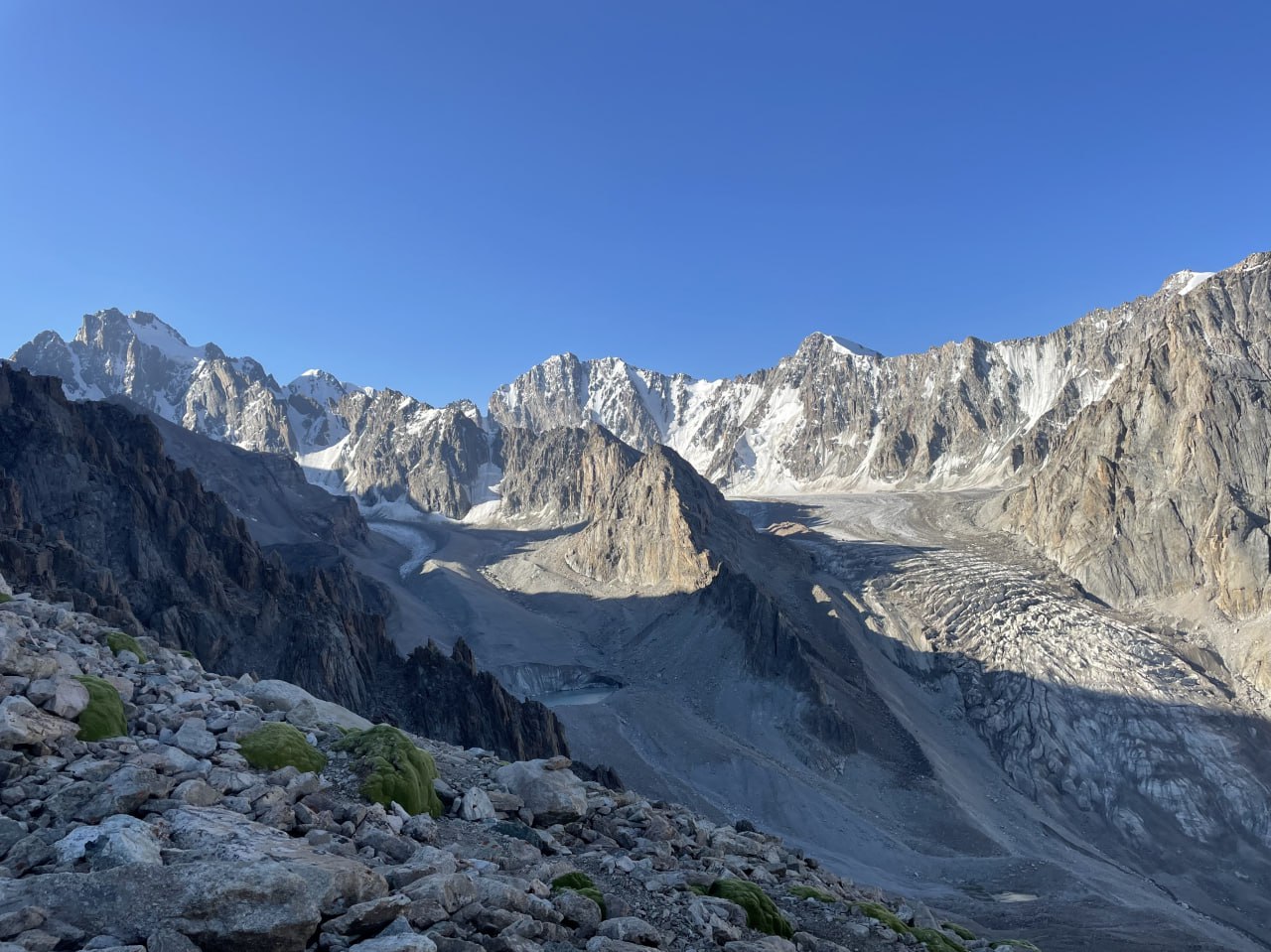
Mobile cameras shoot at 24–28mm (75–110°). Near objects inflate, distant objects compress and lose their scale. The farther from the optical center — the stronger the deformation.
But we see the world panoramically and with correct depth — how? We don't see the world in a single frame. The eye continuously makes saccades — rapid focus jumps between parts of the scene: mountains, lake, vase, back to mountains. At each fixation point, the eye sees a fragment with natural depth proportions — like that same 50mm. The brain continuously stitches these fragments into a single perception — wide, panoramic, with preserved depth throughout.
An experienced photographer solves this with their feet — stepping back and zooming in, keeping subjects in frame. Sjona does this mathematically from a single photograph.
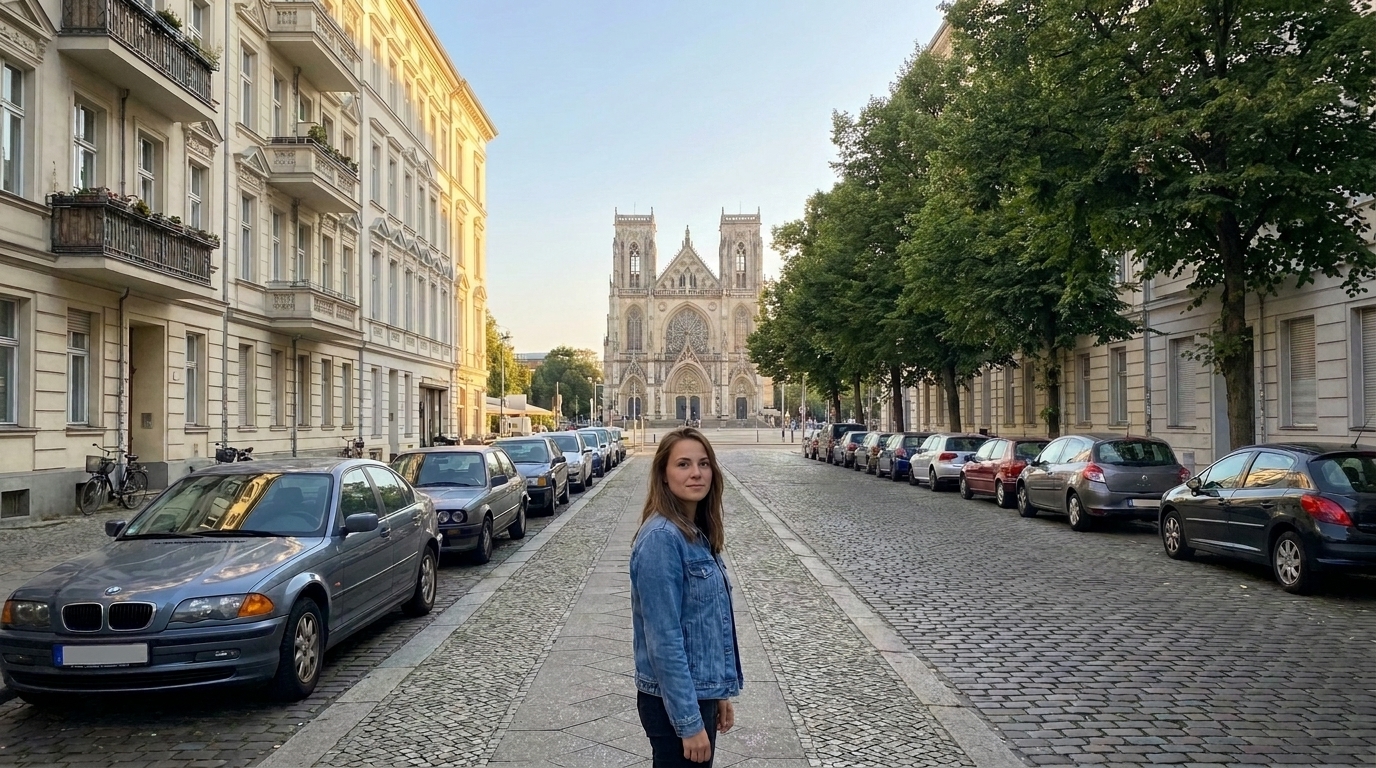
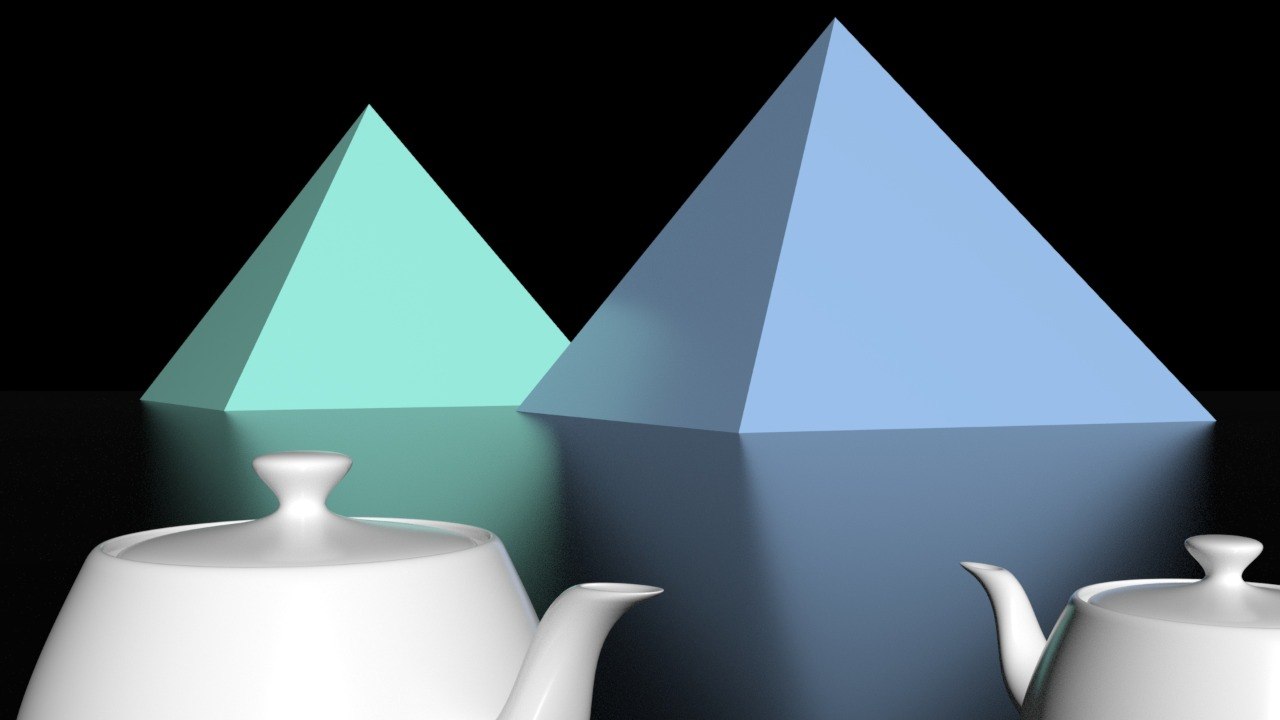
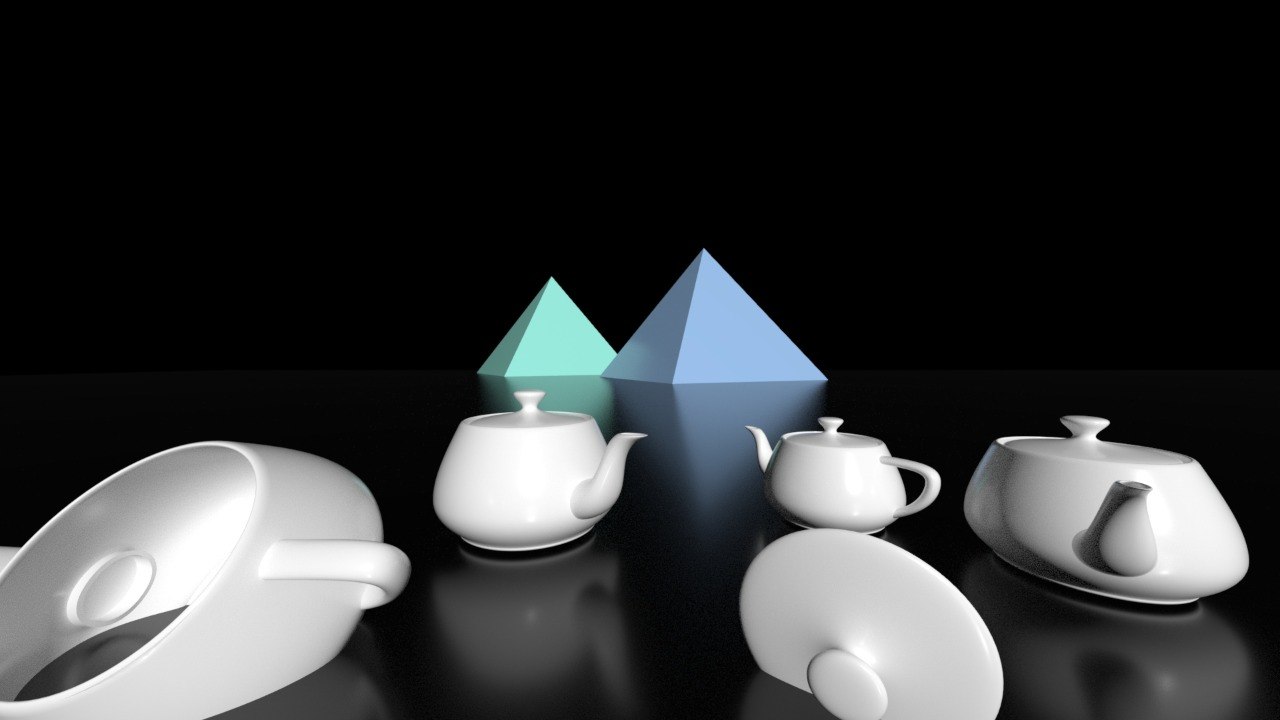
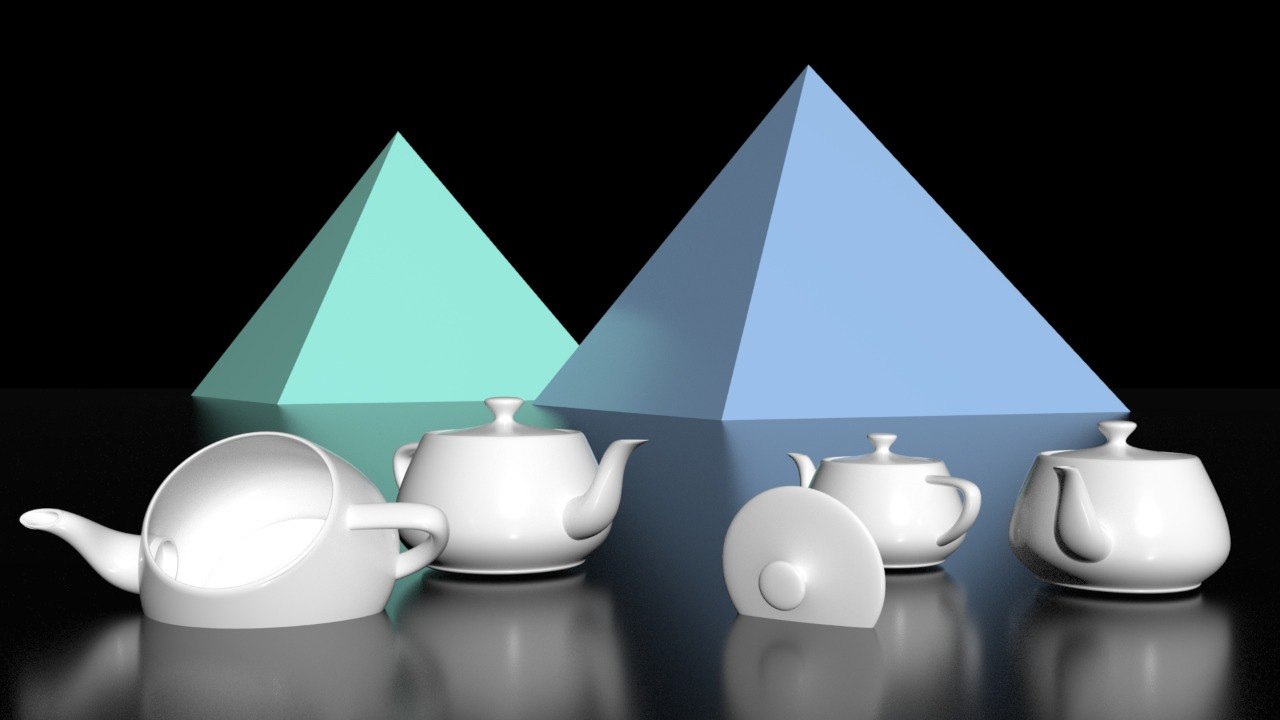
50° — natural depth, narrow frame
110° — scene fits, depth collapses
Natural perception — what Sjona reconstructs
We build a 3D depth map of the scene — measuring the distance to every object in the frame.
Our core is mathematics, not AI guesswork. Tensor analysis and affine transformations re-project the image to restore spatial relationships the way human vision constructs them.
When we re-project a scene, geometry shifts — buildings tilt, horizons stretch, trees lean. But key objects in the frame shouldn't warp. Semantic segmentation identifies what matters and locks it. Everything else adjusts to frame it naturally.
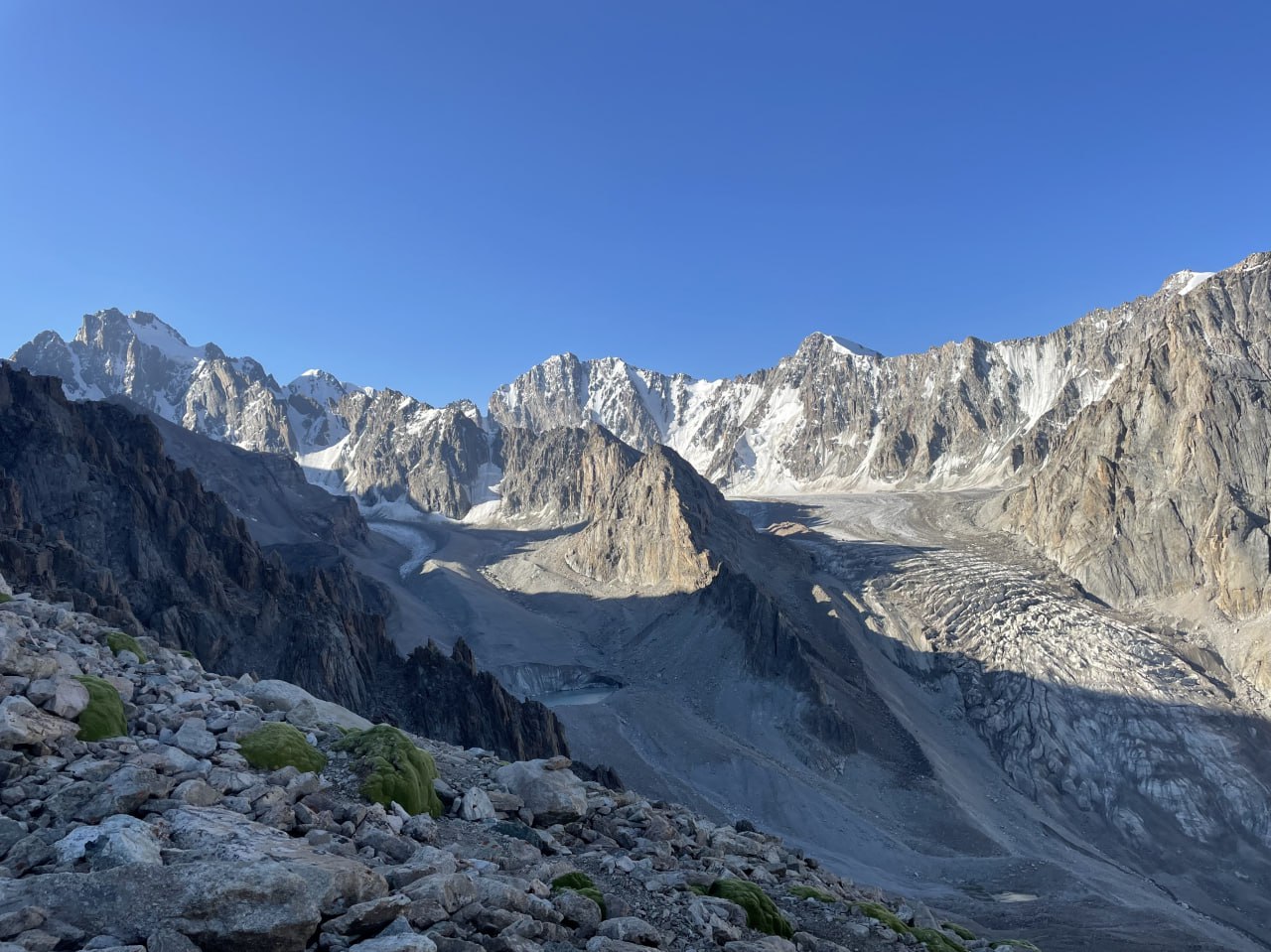
Original
Depth map
ResultSjona works on images already taken — years ago, any camera, any lens. The depth reconstruction applies retroactively.
Corporate strategist and entrepreneur. Builds animatronics, props, and 3D-printed systems for TV and film productions. Understands the image pipeline from set to screen.
20+ years driving digital transformation and IT operations. Lifelong photographer.